





I have been a tour guide both before and after I retired almost five years ago. As a native New Yorker, I have seen the city change dramatically since the 1950s, and I have vivid memories of how tour guides worked back then.
Today’s tour guides operate in a very different world. Styles, expectations, and tools have evolved. The profession has become more dynamic, more professional, and far more engaging for visitors.
Below is a breakdown of the key differences between tour guides of the 1950s and the present day, showing how much the field has improved.
Content and Focus
1950s Tour Guides
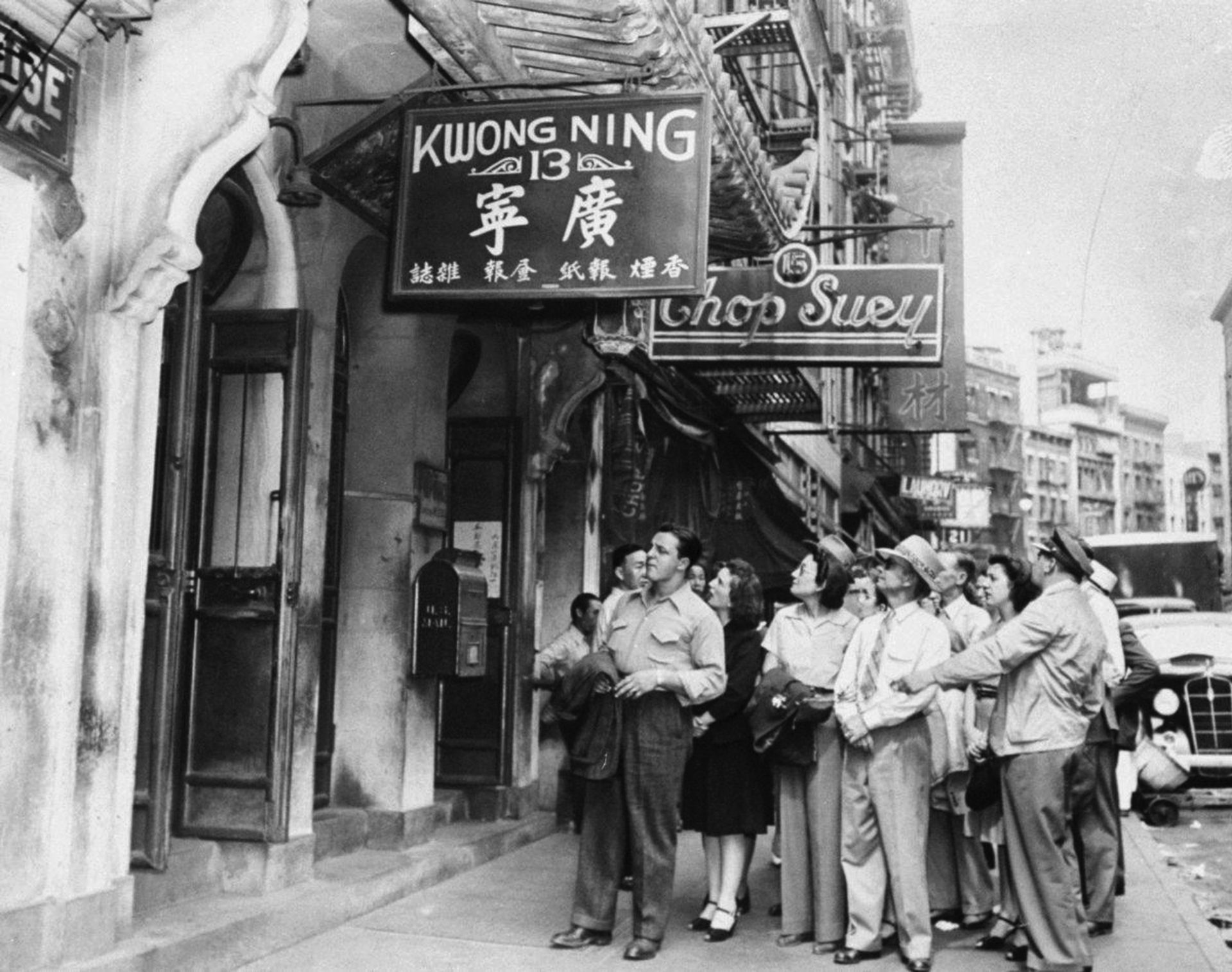
Tour guides in the 1950s mainly emphasized major historical landmarks and classic attractions like the Statue of Liberty and the Empire State Building. Their tours often reflected the era’s post-war optimism, jazz culture, and the growing popularity of Broadway.
Interpretations of the city were limited. Perspectives tended to be narrow, leaving out much of New York’s ethnic diversity and the stories of its many neighborhoods.
Present-Day Tour Guides
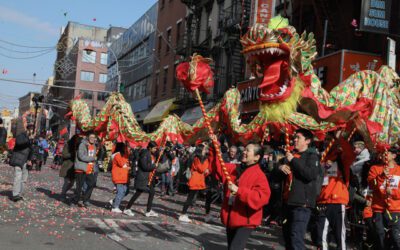
Today’s guides cover a far wider range of topics, from modern culture and social issues to the unique identities of different communities. Visitors can choose specialized tours that focus on food, street art, local history, or cultural neighborhoods across all five boroughs. Tours now celebrate the full diversity and character of New York City.
Style and Delivery
1950s Tour Guides
Tour guides of the 1950s were formal and scripted. Presentations were factual, polished, and delivered with strict adherence to memorized material. Audience interaction was minimal.
Present-Day Tour Guides
Modern tour guides are conversational and engaging. They incorporate humor, storytelling, and personal experiences. They welcome questions and encourage participation, creating a more interactive and memorable experience.
Technology and Resources
1950s Tour Guides
Without the internet or digital tools, guides depended on printed brochures, static maps, and memorized routes. Everything relied on preparation, memory, and verbal narration.
Present-Day Tour Guides
Technology plays a significant role today. Guides use mobile apps, GPS tools, videos, and sometimes virtual or augmented reality. They have access to real-time updates about events, street closures, or neighborhood activities that can enhance the tour experience.
Cultural Context
1950s Tour Guides
Tours reflected the cultural norms of the era. Guides often presented an idealized view of New York, avoiding topics that touched on social issues, inequality, or political events.
Present-Day Tour Guides
Tours today embrace a more inclusive and realistic interpretation of the city. Guides may discuss gentrification, social justice, immigration, and climate-related challenges. Modern narratives include voices and stories from communities that were historically overlooked.
Tour Formats
1950s Tour Guides
Most tours followed pre-set routes, usually by bus or on foot. Options were limited, and experiences were generally the same for every group.
Present-Day Tour Guides
Tour formats have expanded dramatically. Visitors now choose from food tours, ghost tours, art walks, history-focused routes, and neighborhood deep-dives. Private and custom tours are common, and online platforms make booking easier than ever.
Final Thoughts
While the tour guides of the 1950s offered structured and historically centered experiences, today’s guides bring more dynamic stories, diverse perspectives, and technology-enhanced opportunities. The evolution reflects the changing nature of New York itself.
Modern tours allow visitors to experience the city in richer, more engaging ways, and that growth has made the profession stronger, more inclusive, and more enjoyable for everyone.